
-
Hojicha Microground -
Tea Latte Regular price $12.95Sale price $12.95Unit price per -
Organic Hojicha -
Green Tea Regular price $9.95Sale price $9.95Unit price per
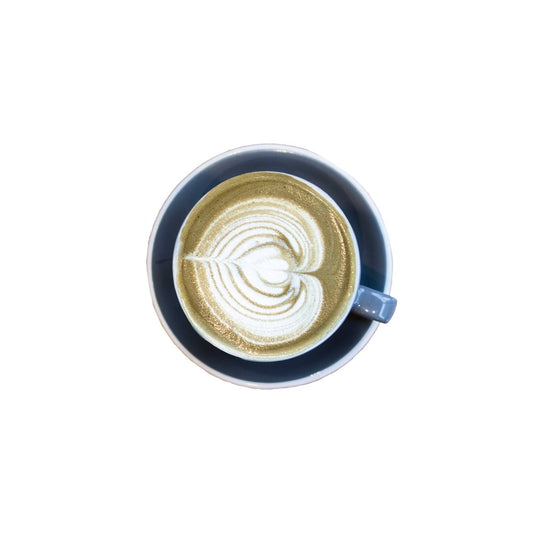
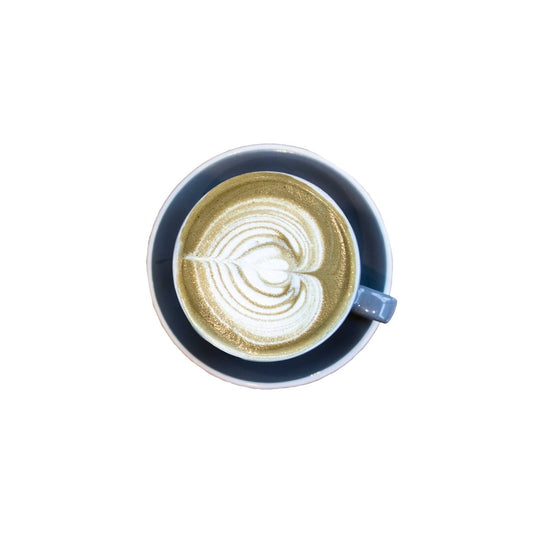
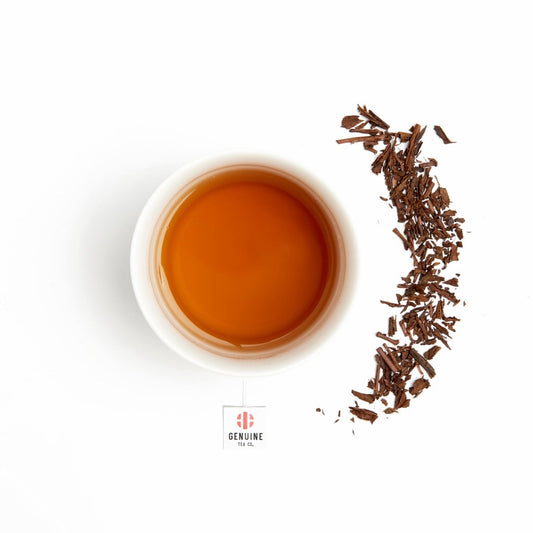
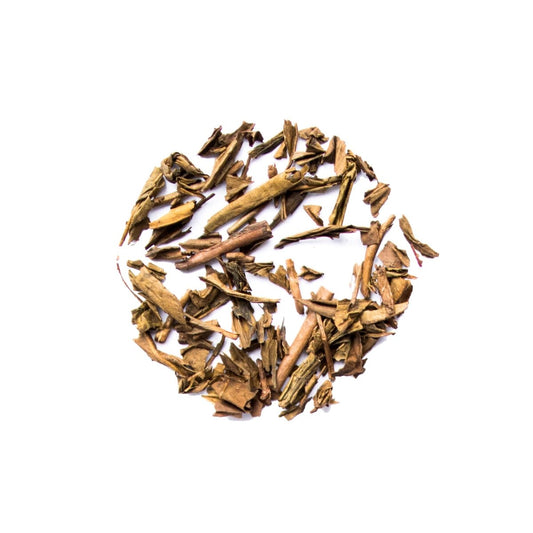
Hojicha tastes nothing like the grassy green teas you might expect from Japan. This roasted green tea delivers warm, nutty, caramel-like flavours that feel more like a light coffee roast than a traditional cup of tea. Our hojicha tea is sourced from Uji, Kyoto and available in two formats: classic loose leaf and a fine microground powder for lattes and baking.
What Is Hojicha?
Most Japanese green teas are steamed and kept green. Hojicha takes the opposite path. After harvest, the tea leaves are roasted at high temperatures (150°C to 200°C), which transforms their colour from green to a warm reddish-brown and completely changes the flavour profile. The roasting process creates the same Maillard reaction that browns toast and caramelizes sugar, giving hojicha its signature nutty sweetness with almost no bitterness.
The story starts in 1920s Kyoto, where a tea merchant with unsold surplus leaves decided to roast them over charcoal rather than let them go to waste. The result was so good it became its own category of Japanese tea. Today, hojicha is one of the most popular everyday teas in Japan, enjoyed from morning to evening because the roasting also reduces caffeine to a fraction of what you'd find in other green teas.
Why Our Hojicha Is Different
Here's something most hojicha brands won't tell you: the majority of hojicha on the market is made from bancha, a lower-grade tea harvested later in the season. It works, but the flavour tends to be flat and one-dimensional.
Our hojicha is made from spring harvest Sencha, charcoal-roasted in Uji, Kyoto at 600 metres elevation. Spring Sencha leaves carry more natural sweetness and complexity than bancha, and that difference carries through the roasting process. The result is a smoother, more refined cup with layers of caramel and toasted grain that bancha-based hojicha simply can't match. We tried dozens of hojicha sources before landing on this one, and the spring Sencha base is the reason we stopped looking.
Loose Leaf or Powder? Choosing Your Hojicha
Both formats start from the same high-quality roasted Sencha. The difference is how you want to enjoy it.
Our organic hojicha loose leaf is the traditional choice. Steep it in hot water for a clean, aromatic cup that you can re-steep two or three times, with each infusion revealing slightly different flavour notes. It's perfect for quiet afternoons or after dinner.
Our hojicha microground powder is stone-milled into a fine powder that dissolves directly into water or milk. This makes it the easiest way to make a hojicha latte at home, and it works beautifully in baking and smoothies too. Because you consume the whole leaf rather than steeping and discarding, the flavour is richer and more full-bodied.
Hojicha FAQ
Does hojicha have caffeine?
Yes, but very little. A typical cup of hojicha contains roughly 7 to 20 mg of caffeine, compared to 95 to 200 mg in a cup of coffee. The high-temperature roasting process burns off most of the caffeine, which is why hojicha is a popular evening tea in Japan and a good option for anyone sensitive to caffeine.
What does hojicha taste like?
Hojicha has a warm, nutty, lightly sweet flavour often compared to toasted grain or a very mild coffee. There's no grassiness or bitterness. Think of it as the most approachable Japanese tea you'll ever try.
Is hojicha good for you?
Hojicha is a green tea, so it contains antioxidants and L-theanine, an amino acid associated with calm focus. Research suggests that the roasting process reduces catechin levels compared to unroasted green teas, but hojicha may still help support overall wellness as part of a balanced diet. Tea is not medicine, so please consult a healthcare provider for specific health concerns.
How do you make a hojicha latte?
Add one teaspoon of hojicha powder to a small amount of hot water and whisk until smooth. Top with steamed milk of your choice and sweeten if you like. The whole process takes under two minutes.