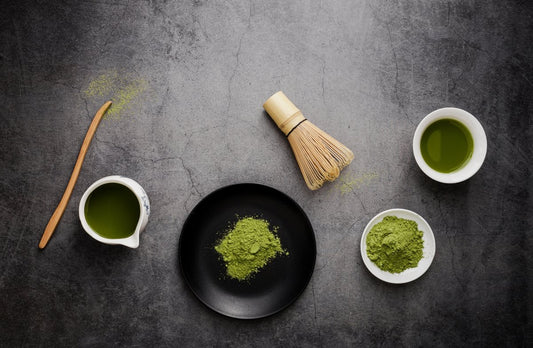
Matcha Benefits: Evidence-Based Health Perks of Matcha Green Tea (and How It Compares to Regular Green Tea)
Table of Contents
- What Are Matcha Benefits, Really?
- Matcha vs. Green Tea: Why the Whole Leaf Changes Things
- Matcha Antioxidants: EGCG, Catechins, and What the Research Shows
- How Do Matcha L-Theanine and Caffeine Create Calm, Focused Energy?
- Can Matcha Support Metabolism and Weight Management?
- What Does Research Suggest About Matcha, Heart Health, and Blood Sugar?
- How to Get the Most from Matcha: Quality, Dose, and Timing
- FAQ: Quick Answers to Common Matcha Questions
- What Matcha Benefits Are Actually Worth It?
What Are Matcha Benefits, Really?
You drink a cup of steeped green tea, then throw away the leaves. That means you're discarding most of the good stuff. Matcha flips that equation: the leaves are shade-grown, stone-ground into a fine powder, and whisked directly into water, so you consume every compound the leaf contains. That simple difference is the foundation of nearly every matcha benefit worth talking about.
But let's set honest expectations before going further. The strongest evidence supports two things: matcha's antioxidant concentration (particularly a catechin called EGCG) and the calm, focused energy produced by its unique L-theanine and caffeine combination. Other perks, like modest metabolism support and cardiovascular marker associations, are real but subtler than most wellness blogs let on. Is matcha good for you? For most people, yes. The question is understanding exactly what the evidence supports and where the hype outpaces the science.
This post covers four categories: antioxidants, energy and focus, metabolism, and cardiovascular and blood sugar markers. Each section includes the actual research, not vague promises. If you're new to matcha entirely, getting started with the basics of preparation and grades is worth a quick read first.

Photo by Denis Liendo ✅ on Pexels
Matcha vs. Green Tea Benefits: Why the Whole Leaf Changes Things
Matcha and regular green tea come from the same plant, Camellia sinensis. The difference lies in how they're grown, processed, and consumed. With steeped green tea, hot water pulls a fraction of the leaf's compounds into your cup. With matcha, you're drinking the entire leaf, ground into a powder measured in microns. That's not a minor detail; it's the reason matcha delivers a fundamentally different nutritional profile.
Shade-growing matters here, too. For roughly 20 to 30 days before harvest, the tea plants are covered to block direct sunlight. This forces the leaves to overproduce chlorophyll and L-theanine, an amino acid that contributes both to matcha's smooth, umami-forward flavour and to its functional profile. The result is a tea that's less bitter than sun-grown varieties and richer in the compounds people seek out. The shade-grown secret behind Kato Matcha explains this cultivation process in detail.
At Genuine Tea, we reach for matcha on the busiest workdays. Not because of some abstract health claim, but because the focused calm is something you can actually feel, usually within 30 minutes. That experience lines up neatly with what the research shows about L-theanine and caffeine working together, which we'll get into shortly.
Here's a quick snapshot of how matcha green tea benefits compare to steeped green tea:
| Matcha | Steeped Green Tea | |
|---|---|---|
| Caffeine (per serving) | ~38–88 mg (1–2 g powder) | ~20–45 mg |
| L-Theanine | Elevated (shade-grown) | Lower |
| EGCG / Catechins | High (whole leaf consumed) | Moderate (infusion only) |
| Taste | Umami, vegetal, less bitter | Lighter, more delicate |
Matcha Antioxidants: EGCG, Catechins, and What the Research Shows
Antioxidants are molecules that help neutralize free radicals, unstable compounds your body produces during normal metabolism and in response to environmental stressors like pollution or UV exposure. When free radicals accumulate faster than your body can manage them, the resulting imbalance is called oxidative stress. Over time, oxidative stress has been associated with cellular damage and various chronic health concerns.
Green tea is rich in a family of antioxidants called catechins, and the standout among them is epigallocatechin gallate, or EGCG. Peer-reviewed research published in the Journal of Chromatography A found that matcha contains at least three times more EGCG than the highest-quality conventional green teas tested. That concentration gap exists because you consume the whole leaf rather than steeping it and discarding the majority of its compounds. For a broader look at how drinking tea daily supports antioxidant intake, the evidence across tea types is consistent.
EGCG has been extensively studied for its protective effects including antioxidant activity. Research suggests it may help support the body's natural defences against oxidative stress and may play a role in modulating inflammatory markers. Those are meaningful findings, but it's important to be precise: matcha antioxidants may support cellular health, not cure or prevent specific diseases.
One practical point worth knowing: not all matcha delivers the same catechin content. Grade, freshness, and growing conditions all influence the real-world levels in your cup. A high-quality ceremonial grade stored properly will have a very different antioxidant profile than a stale culinary powder that's been sitting in a clear bag on a shelf.

Photo by Kai-Chieh Chan on Pexels
How Do Matcha L-Theanine and Caffeine Create Calm, Focused Energy?
L-theanine is an amino acid found almost exclusively in tea, and shade-grown varieties like matcha contain significantly more of it than their sun-grown counterparts. A study in Food Chemistry confirmed that shade-grown teas have measurably higher L-theanine concentrations, which helps explain both the taste (smoother, more umami) and the functional effect.
A double-blind, placebo-controlled trial published in Nutritional Neuroscience found that L-theanine at a 50 mg dose promoted alpha-wave brain activity. Alpha waves are associated with a state of relaxed alertness, the feeling of being focused without being wired. That's a meaningful distinction from the jittery, peak-and-crash pattern many people experience with coffee. If you're weighing your options, a detailed comparison of matcha and coffee covers the caffeine and L-theanine dynamics side by side.
The combination of matcha L-theanine and caffeine appears to be more than the sum of its parts. A systematic review in Plant Foods for Human Nutrition found that the two compounds together may improve attention, memory, and reaction time more than either compound alone. Separately, a meta-analysis of 13 randomized controlled trials published in Nutrients found evidence that L-theanine may reduce stress and anxiety markers in human subjects.
Now, an honest caveat: the specific claim that matcha produces a "smoother energy curve" than coffee is widely repeated, but direct pharmacokinetic comparison data in humans is limited. The mechanistic rationale is sound (L-theanine modulating caffeine's stimulatory effects), and many matcha drinkers report the experience. Just know that it's not yet proven in controlled head-to-head trials.
Practical notes on caffeine
A typical 1 to 2 gram serving of matcha contains roughly 38 to 88 mg of caffeine, compared to about 95 mg in a standard cup of coffee. If you're sensitive to caffeine, start with 1 gram (about half a teaspoon) and see how you feel. Morning or early afternoon is the sweet spot for most people. And if caffeine tends to bother your stomach, having matcha alongside food can help.
Can Matcha Support Metabolism and Weight Management?
This is where the health benefits of matcha get the most overhyped, so let's separate signal from noise.
A meta-analysis of 11 randomized controlled trials published in Obesity Reviews found that green tea catechins combined with caffeine may increase energy expenditure and fat oxidation compared to controls. A separate study in the International Journal of Obesity suggested that the EGCG and caffeine combination modestly increased 24-hour energy expenditure. These are real, statistically significant findings. A closer look at what the research actually says about matcha and weight loss separates the credible evidence from the common exaggerations.
The key word is "modestly." The effect sizes in these studies are small, typically in the range of a 3 to 4 percent increase in energy expenditure. That's not nothing, but it's a far cry from "fat burner" territory. Matcha may support metabolism as part of a healthy, active lifestyle. It is not a shortcut and should never be framed as one.
Where matcha fits most practically: as a replacement for a sugary morning coffee drink. Or as something you sip before a walk or workout, not because it magically accelerates results, but because the calm focus it provides can make the activity itself more enjoyable and consistent. Consistency in your routine matters far more than any single ingredient.
What Does Research Suggest About Matcha, Heart Health, and Blood Sugar?
Population-level studies have shown some interesting associations between green tea consumption and cardiovascular markers. A meta-analysis of nine studies published in the Journal of the American Dietetic Association found green tea consumption was associated with reduced LDL cholesterol levels. The large Ohsaki cohort study, which followed 40,530 Japanese adults, found that those drinking five or more cups of green tea per day had significantly lower cardiovascular mortality.
These are associations, not proof of cause and effect. Cardiovascular health is multifactorial, and no single food or drink can serve as a preventive measure on its own. Still, regular green tea consumption appears in enough large studies with consistent direction that the signal is worth paying attention to. The broader picture of how tea supports total well-being across multiple health markers reflects this same pattern.
On the blood sugar side, research published in the Journal of Agricultural and Food Chemistry found that EGCG may inhibit enzymes involved in carbohydrate digestion, potentially slowing glucose absorption after meals. This is a promising mechanism, but the evidence is still at the mechanistic and small-scale level. No major health authority has approved a specific claim linking green tea to blood sugar management.
A note on safety and who should check with a clinician
At normal beverage-level consumption, matcha is considered safe for most healthy adults. The European Food Safety Authority has reviewed green tea catechins and confirmed that amounts consumed through beverages don't raise safety concerns. High-dose green tea extract supplements (above 800 mg of EGCG per day) are a different story.
If you're on anticoagulant medications, are pregnant or nursing, have iron absorption concerns, or are particularly sensitive to caffeine, it's worth having a conversation with your healthcare provider before making matcha a daily habit. Including this isn't a scare tactic. It's the kind of transparency you'd want from a brand called Genuine.
How to Get the Most from Matcha: Quality, Dose, and Timing
All the research in the world doesn't matter much if the matcha in your cup is stale, poorly sourced, or badly prepared. Here's what actually affects your experience and the compound levels you're getting.
Dosing
One to two grams per serving (roughly half a teaspoon to a full teaspoon) is standard. That gives you a meaningful amount of L-theanine, EGCG, and caffeine without overdoing it. More isn't necessarily better; the calm-focus effect depends on the L-theanine-to-caffeine ratio, and piling on extra powder shifts that balance toward jitteriness.
Quality factors
Freshness is the single biggest factor Canadian customers should pay attention to. Matcha oxidizes quickly once opened, and it may have already spent weeks in transit from Japan. Store it in an airtight container, away from light and heat. A quality ceremonial grade will have a vibrant green colour and smell like fresh grass with a subtle sweetness. If it looks yellowish or smells flat, the catechin content has likely degraded along with the flavour.
Japan's two primary matcha-producing regions are Uji (Kyoto) and Nishio (Aichi), both known for the shading techniques and stone-milling traditions that produce high L-theanine, high-EGCG tea. Our Kato Matcha Spring Harvest is sourced from Uji, and the difference you'll notice first is the taste: a clean umami sweetness with no harsh bitterness, which is itself a marker of freshness and proper processing. To understand more about how matcha travels from harvest to your cup, the stone-milling and shading steps are where most of the quality is determined.
Timing
Morning through early afternoon works best for most people. If you're using matcha for focus, try it 20 to 30 minutes before you need to concentrate. Pre-workout is another popular window. Avoid it within six hours of bedtime if caffeine affects your sleep.

Photo by Ivan S on Pexels
FAQ: Quick Answers to Common Matcha Questions
Is matcha good for you every day?
For most healthy adults, one to two servings per day is considered safe. The FDA categorizes tea as Generally Recognized as Safe, and EFSA has confirmed that beverage-level consumption doesn't raise concerns. That said, if you're pregnant, prone to anxiety, or particularly sensitive to caffeine, it's smart to moderate your intake or talk to a healthcare provider. Pay attention to your total daily caffeine from all sources, not just matcha.
Does matcha have more antioxidants than green tea?
Generally, yes. Because you consume the whole leaf rather than steeping and discarding it, catechin delivery is significantly higher. Peer-reviewed research found at least three times more EGCG in matcha compared to the highest-quality conventional green teas tested. However, real-world levels depend on grade, freshness, origin, and how you prepare it. A stale, low-grade powder won't deliver the same antioxidant profile as a fresh ceremonial grade.
Is matcha better than coffee for energy and focus?
Different is more accurate than "better." The L-theanine and caffeine combination in matcha may provide a smoother energy experience for some people, based on the mechanistic evidence around L-theanine modulating caffeine's stimulatory effects. But personal tolerance is a major variable. Some people thrive on coffee and feel nothing special from matcha. Others find the calm alertness from matcha suits them far better. The only way to know is to try both and compare your own experience over a week or two.
What's the overall difference in matcha vs green tea benefits?
They contain the same core compounds, just at different concentrations. Matcha delivers more EGCG, more L-theanine, and more caffeine per serving because you're consuming the whole leaf instead of an infusion. The practical result: a stronger antioxidant profile, a more noticeable calm-focus effect, and slightly more caffeine. Steeped green tea is lighter in every sense. Both are good choices. Matcha simply concentrates the experience.
What Matcha Benefits Are Actually Worth It?
After sorting through the evidence, three matcha benefits stand on the firmest ground.
First, the antioxidant concentration. Consuming the whole tea leaf means significantly more EGCG and catechins than steeped green tea delivers, with peer-reviewed research showing at least a threefold difference. Second, the L-theanine and caffeine synergy. Multiple randomized controlled trials and systematic reviews suggest this combination may improve focus, attention, and reaction time while reducing stress markers. It's the benefit most people notice first. Third, modest support for metabolic and cardiovascular markers. The effects here are smaller and the evidence more observational, but the pattern across large population studies is consistent enough to be meaningful when combined with a healthy lifestyle.
Here's a practical suggestion: try drinking matcha daily for two weeks and pay attention to your energy, focus, and overall feeling in the afternoon. Not as a miracle cure, but as an experiment. The research supports it, and your own experience will tell you whether the effects are noticeable for your body. If you want to build a consistent habit, the Matcha Club Subscription is a convenient way to keep fresh matcha arriving regularly.
Ready to experience the health benefits of matcha for yourself? Browse Genuine Tea's matcha collection, including ceremonial-grade options like Organic Matcha for daily focus rituals and Kato Matcha Summer Harvest for lattes and cooking. New to matcha? The Matcha Essentials Bundle comes with a bamboo whisk and ceramic bowl, so you can get the preparation right from day one.