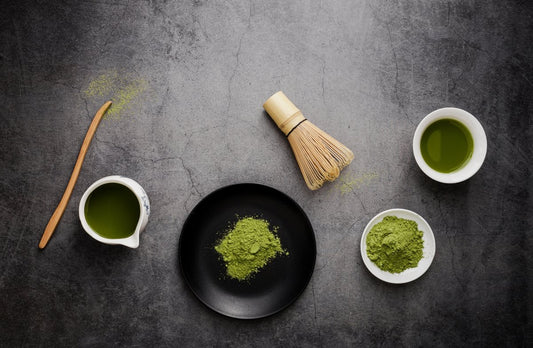
Best Matcha in Canada: How to Choose High-Quality Matcha Powder
In this guide:
- What "Best Matcha in Canada" Really Means, and What This Guide Covers
- Ceremonial, Latte, or Culinary Grade: Which One Do You Need?
- How Do You Spot Matcha Quality Before the First Sip?
- What Drives Matcha Flavour? Origin, Harvest Season, and Processing
- Is Organic Matcha Worth It in Canada?
- How to Buy Matcha Online in Canada Without Getting Burned
- Does Your Matcha Whisk Actually Matter?
- Your Best Matcha Canada Checklist
What "Best Matcha in Canada" Really Means, and What This Guide Covers
The best matcha Canadian buyers can find isn't a single product. It depends on whether you're whisking it straight, steaming it into a latte, or folding it into a cake batter. A $55 ceremonial-grade tin is wasted in a recipe that calls for a cup of milk and two tablespoons of sweetener. And a $15 culinary powder whisked with nothing but water will taste like a punishment.
Canadian buyers face specific challenges that shoppers in Tokyo don't. Shipping distances mean longer supply chains. Matcha stored at warm temperatures and moderate humidity can lose a significant portion of its quality markers within weeks. Stale tins sit on generic retail shelves for months with no harvest date in sight. The price range is wide too: ceremonial matcha runs about $30 to $60 CAD per 30g, culinary grades fall in the $15 to $25 range, and anything below $10 should raise questions.
This guide gives you a repeatable checklist you can apply to any matcha product, online or in-store, before you spend a dollar. By the end, you'll know how to read a label, judge a colour, and ask the questions most retailers hope you won't.
Photo by Anastasia Shuraeva on Pexels
Ceremonial, Latte, or Culinary Grade: Which One Do You Need?
Matcha grades sound official. They're not. No government body certifies "ceremonial grade" matcha. The terms are industry shorthand, which means any producer can slap the label on a tin without meeting a universal standard. That doesn't make the distinctions meaningless, but it does mean you need to know what actually separates one grade from another.
The Real Differences Between Grades
Ceremonial grade matcha comes from shade-grown first-harvest leaves, stone-ground to a particle size under 5 micrometers. That fineness is what creates the silky texture and stable froth when whisked. The colour should be bright, almost electric green, and the flavour profile should lean sweet, grassy, and rich with umami. You drink this one straight, whisked with hot water and nothing else.
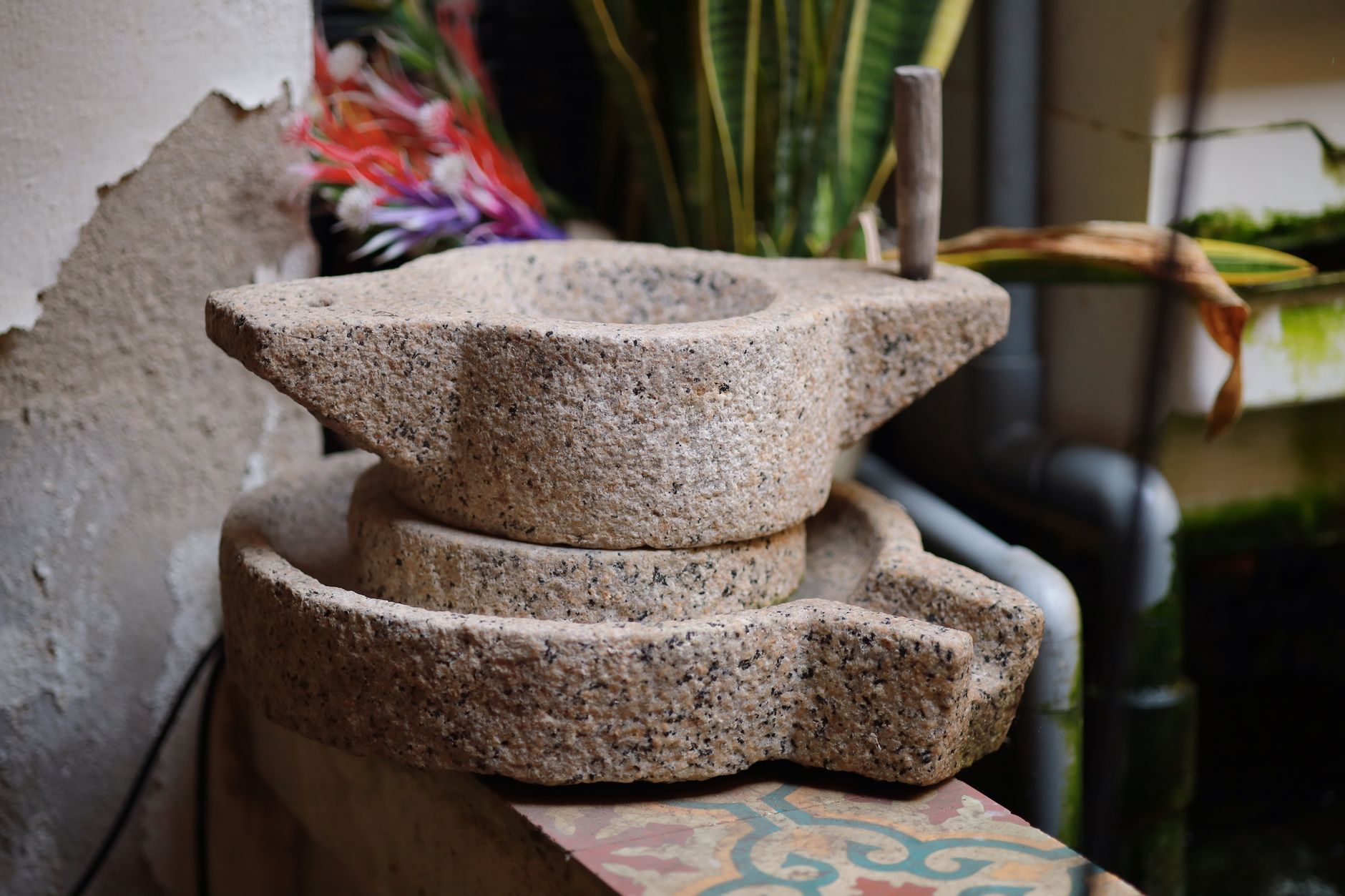
Photo by Võ Nguyễn (Terri) on Pexels
Latte grade sits in the middle. It's typically a second-harvest leaf with a slightly bolder, more astringent character that holds up when blended with milk. The colour is green but less vivid, and the price is more forgiving.
Culinary grade uses later-harvest leaves. More bitterness, less sweetness, coarser grind. That's fine for baking, smoothies, and cooking where other ingredients do the heavy lifting.
Which Grade Should You Buy?
- Daily whisked drinker: Ceremonial, first harvest. This is where quality matters most because nothing is hiding the tea.
- Matcha latte drinker: Mid-grade or latte grade. You want flavour that punches through oat milk, not delicacy that gets lost in it.
- Baking or cooking: Culinary. Save your money for the grades where you'll taste the difference.
The real indicator behind these grades is shade-growing. A study published in Molecules found that shading duration and temperature conditions may measurably affect both L-theanine and chlorophyll content in matcha. Those two compounds are what give ceremonial-grade matcha its sweetness and colour. Without verified shade-growing, "ceremonial" on the label doesn't mean much.
Kato Matcha Review: The Checklist in Action
Applying this guide's own criteria to Kato Matcha: the Organic Matcha Spring Harvest is sourced from Uji, Japan, with a vibrant green colour that signals high chlorophyll from proper shade-growing. The aroma leans sweet and grassy with no musty notes. Whisked, it produces a smooth, frothy bowl with a clean umami finish and no harsh bitterness. In a latte, the Summer Harvest holds its own against milk without disappearing. For Canadian buyers, the value per gram sits comfortably in the ceremonial range, and both the origin and harvest season are stated on the packaging. That transparency alone puts it ahead of most options on local shelves.
How Do You Spot Matcha Quality Before the First Sip?
You can assess matcha quality before you ever taste it. Three sensory markers tell you most of what you need to know: colour, aroma, and texture.
Colour: Your First and Fastest Clue
High-quality matcha is a vibrant, bright green. That colour comes from chlorophyll, which builds up in leaves that have been shade-grown and processed quickly after harvest. If the powder looks dull, olive, or yellow-tinged, you're looking at oxidation, older leaf material, or sun-grown tea. Research published in Food Chemistry found that matcha stored in clear containers may lose about 40% of its chlorophyll within six months at room temperature. Even good matcha turns bad in the wrong packaging.
Online buyers can still use colour as a signal. Identifying superior matcha by colour means looking for product photos shot in natural light against a neutral background. Neon-bright green in stylized photos, on the other hand, can indicate editing or even added dye.
Aroma and Taste: Sweet vs. Stale
Quality matcha smells sweet and grassy with an underlying umami richness, almost oceanic. Low-grade or old matcha smells like hay, wet cardboard, or nothing at all. A musty, oxidized scent is the clearest red flag. If you can smell it before buying, take the opportunity.
On the palate, some bitterness is normal. The catechins in green tea are naturally astringent. The difference is between a pleasant, clean astringency that fades into sweetness and a flat, harsh bitterness that just sits on your tongue. The first is a sign of quality. The second is a sign of age or poor processing.
Texture: Stone-Ground vs. Everything Else
Ceremonial matcha ground by stone mill feels impossibly fine between your fingers, almost like eyeshadow. It should be under 5 micrometers in particle size. This fineness is what lets it emulsify in water and produce a smooth, creamy bowl. If the powder feels gritty or visibly coarse, it was likely mechanically ground or includes lower-grade leaf material. Clumping, by the way, is normal for fine matcha powder. That's what sifters are for.
What Drives Matcha Flavour? Origin, Harvest Season, and Processing
Grade labels tell you what a producer claims. Origin, harvest, and processing tell you what actually ended up in the tin.
Origin Matters More Than You Think
Matcha's roots trace back to Song dynasty China, where powdered tea known as mo cha was first whisked with specialized tools. Around 1191, the Zen priest Eisai brought tea seeds and these preparation methods to Japan, where the tradition took hold and evolved into the matcha culture we know today. Uji in Kyoto has been at the centre of that tradition for centuries and remains the most recognised premium matcha origin. Nara produces high-quality ceremonial matcha with a devoted following. Shizuoka is Japan's largest volume producer, but quality varies significantly by sub-region. Fukuoka is an emerging source worth watching. A label that simply says "from Japan" without specifying a region is a yellow flag. Legitimate producers are proud to tell you exactly where their tea grows.
Harvest Season Sets the Ceiling
First-harvest leaves, called ichibancha, are picked in March and April. A study in Molecules examining shade-growing conditions found that these first-harvest leaves may contain significantly higher concentrations of L-theanine than later harvests. That amino acid is what gives premium matcha its sweetness and is associated with calm, focused energy. Second-harvest tea offers a balanced profile at a lower price. Later harvests get progressively more astringent and are best suited for culinary use. For a deeper look at how shade-growing shapes the compounds in Kato Matcha, the process is worth understanding.
Processing: Where Shortcuts Show Up
The traditional processing chain goes: shading the plants for weeks before harvest, hand-picking, steaming to halt oxidation, drying the leaves into tencha, then stone-grinding. Each of those steps takes time and costs money. Mechanical grinding is faster but produces larger, uneven particles. Skipped or shortened shading produces less L-theanine and chlorophyll. Unsorted leaf material introduces stems and veins that dilute flavour.
A good retailer should be able to confirm which harvest their matcha comes from and where it was grown. When we first started sourcing matcha for Genuine Tea, we learned quickly that the suppliers who answered these questions without hesitation were always the ones with the best product. If a seller can't tell you the basics, that silence tells you something too. Understanding how matcha travels from harvest to your cup makes it much easier to ask the right questions.
Is Organic Matcha Worth It in Canada?
Organic certification and matcha quality grade are two separate things. Confusing them is one of the most common mistakes Canadian buyers make.
What "Organic" Actually Certifies
In Japan, the JAS (Japanese Agricultural Standards) label is the official government organic certification. It guarantees no synthetic pesticides, chemical fertilizers, or prohibited substances were used. The USDA recognises JAS as equivalent to its own organic standard. For Canadian import compliance, look for CFIA-recognised organic certification as well. Dual certification (JAS plus CFIA) on the label is the gold standard.
The Trade-Off You Should Know About
Organic does not automatically mean high grade. A non-organic first-harvest Uji matcha can easily outperform a certified organic culinary-grade product in colour, flavour, and nutritional profile. Certification tells you about farming practices. Grade tells you about leaf selection, harvest timing, and processing care. They're independent axes, and the best matcha combines both. For a deeper look at why organic farming practices matter in tea production, it's worth understanding what certification actually guarantees.
Reading the Label: A Quick Checklist
- Ingredient list should read "matcha" or "green tea powder" only. No fillers, no additives
- Country of origin clearly stated, ideally with a specific region
- Best-before date and lot number present
- Packaging should be opaque and airtight
Matcha can concentrate heavy metals from soil, so CFIA imposes maximum residue limits on imported tea. Third-party heavy metal testing is a mark of a reputable Canadian retailer. No certification isn't automatically bad, but no origin combined with no certification combined with a low price is a high-risk combination.
How to Buy Matcha Online in Canada Without Getting Burned
Most of the disappointing matcha experiences I hear about from Canadian customers come down to the same handful of problems: stale product, misleading labels, and packaging that was never designed to protect what's inside. Here's how to avoid all three.
The Freshness Checklist
- Sealed in an opaque tin or bag (nitrogen-flushed is a bonus)
- Best-before date with at least 12 months remaining
- Storage guidance included on the packaging
- Once opened, plan to finish it within one to two months in Canada's climate. That's shorter than the three to four months often cited for Japanese conditions because our spring and summer humidity accelerates degradation
- Avoid buying large bags unless you drink matcha daily
Red Flags to Walk Away From
- "Ceremonial grade" with no origin or harvest information
- Unnaturally neon-bright colour in product photos (possible editing or dye)
- Price below $10 CAD per 30g. At that price point, quality or purity is almost certainly compromised
- Transparent packaging. Remember: significant chlorophyll loss in clear containers within months
- No contact information or sourcing transparency from the seller
Canada-Specific Practicalities
Buying from a Canadian retailer avoids cross-border duty complications and customs delays. It's worth asking about warehouse storage conditions, because a tin sitting in a warm, humid facility defeats the purpose of good packaging. Build a reorder cadence of four to six weeks so you're never caught scrambling for a last-minute replacement from a gas station shelf. Finding the best matcha Canada has available is partly about the product and partly about the routine you build around buying it fresh. Knowing how to match matcha varieties to your taste preferences also helps you avoid impulse purchases you won't finish.

Photo by Denis Liendo on Pexels
Does Your Matcha Whisk Actually Matter?
Short answer: yes, if you're whisking ceremonial matcha. A proper bamboo chasen creates the fine, stable foam and smooth emulsification that defines a good bowl. Without one, you get clumps and a flat, thin texture no matter how premium your powder is.
What to Look For in a Chasen
Tine count is the main variable. A standard chasen has around 80 tines. Higher counts of 100 to 120 tines produce finer, more stable froth and are preferred for premium ceremonial preparation. The best whisks come from Takayama in Nara prefecture, Japan's primary chasen-producing region. That provenance is as much a quality marker for whisks as Uji is for matcha itself.
Pair your bamboo whisk with a fine-mesh sifter to break up clumps before whisking, and a wide, shallow chawan (matcha bowl) that gives your wrist room to move in a rapid W-shaped motion. Electric frothers work fine for lattes but can't replicate the layered texture of hand-whisked matcha.
Starter Kit by Use Case
- Ceremonial drinker: Bamboo chasen (80 to 100 tines) + sifter + chawan. This is the setup that lets good matcha perform
- Latte drinker: An electric frother and a standard mug will get the job done
- Baking: No special tools needed beyond a sifter for even mixing
One care tip that extends the life of your chasen significantly: rinse it with warm water immediately after each use and dry it on a kusenaoshi (whisk holder) to preserve the shape of the tines. A well-maintained bamboo whisk should last several months of daily use. If you're just getting started, brewing a proper cup of matcha from scratch is easier than it looks with the right setup.
Your Best Matcha Canada Checklist
Here's everything from this guide distilled into a buying framework you can use anywhere:
- Match the grade to your use case. Ceremonial for whisking, latte grade for milk drinks, culinary for baking. Don't overspend or underspend for how you'll actually use it.
- Check the colour. Vibrant bright green means shade-grown and fresh. Dull olive or yellow means old, oxidized, or sun-grown.
- Assess the aroma. Sweet, grassy, and umami-forward signals quality. Musty, flat, or hay-like means walk away.
- Verify origin and harvest season. A specific region (Uji, Nara, Shizuoka) and harvest (first or second) should be stated. Vague labelling is a red flag.
- Evaluate organic certification separately from grade. JAS plus CFIA-recognised organic is ideal, but certification doesn't replace grade quality.
- Demand opaque, sealed packaging. Clear containers destroy chlorophyll. Nitrogen-flushed tins are a bonus.
- Buy from a retailer who can answer sourcing questions. Transparency is the single strongest indicator of quality.
The best matcha Canadian buyers can find isn't always the most expensive option on the shelf. It's the freshest, most appropriately graded powder from a source that doesn't dodge your questions.
Genuine Tea's matcha selection includes ceremonial and latte-friendly grades, each with the origin and harvest information listed right on the product page. Kato Matcha Spring Harvest and Kato Matcha Summer Harvest give you two price points for two different use cases. Add a bamboo whisk and sifter to your order and you have everything you need for your first proper bowl, or pick up the Organic Matcha Essentials Bundle to get it all at once. Shop the full matcha collection at GenuineTea.ca and sign up for restock updates so you never have to settle for a gas-station-shelf substitute.